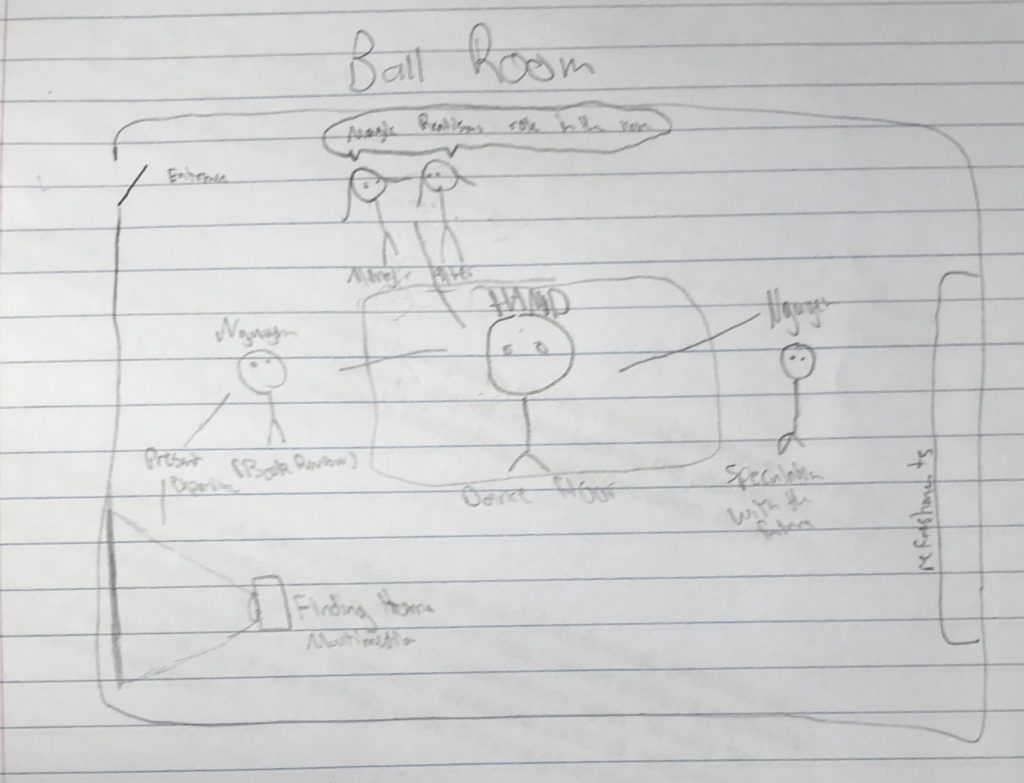
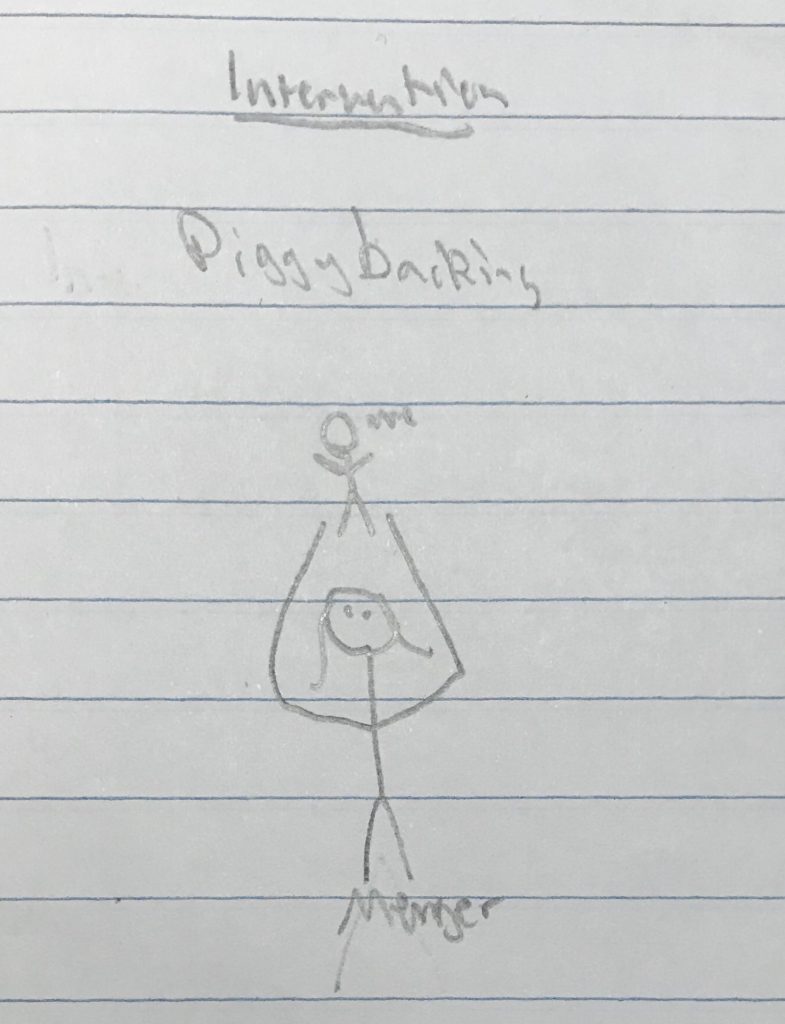
Introduction – Hamid’s use of fantastical elements in his story serve to rip the audience away from any prior mindsets they may be in. They act as a filter, a barrier to keep biases out of the refugee conversation. This is explicitly hit home when Hamid states “we are all just immigrants through time.” The novel “Exit West” is all inclusive. Despite this, the cognitive effects of traumatically changing homes are nothing to overlook. Menger claims in her essay “What it Feels Like to be an Other” that Hamid’s chosen genre of speculative fiction accurately places the reader inside the immigrants mind, a place with no shortage of isolation. I contend that Hamid’s optimistic writing allows his story to be more universally related to, but, out of necessity, glosses over aspects of the refugee experience that aren’t universal, trauma that simply can’t be related to by everyone. It is through the hints given to us by the elements of fantasy that we are able to discern a whiff of what the true trauma actually is.
